Science · GCSE Chemistry (Key Stage 4) · £5.99
Year 11 Chemistry
Scheme of Work
GCSE Chemistry Scheme of Work (SOW) — KS4 Year 11 PDF
Seventy-one pages completing the two-year course. Year 10 was the substance. This is the account: how much of it there is, what it actually is, what can be built from it and what it costs to make at scale. The remaining sixty-five of the subject content’s one hundred and sixty-one statements are taught here, each mapped to the phase that teaches it. Half the year is separate chemistry only and it does not spread evenly, so every unit states what a combined class actually studies and what to do with the time.
£5.99The Year 11 scheme: 5 half-termly units, 71 pages
- A4 PDF
- first 8 pages free to read
- instant download
Teaching all of the GCSE course? Year 10 and Year 11 as one set: £9.99, saving £1.99.
One purchase covers the school that buys it. Print it, copy it, hand it round your department. Not for passing to other schools or uploading anywhere.
PDF download, ready straight after payment. Downloading it ends the 14-day right to cancel; a file that is faulty or not as described is always refunded. Refunds
Read before publication by the serving head of that department and by senior leaders, in school.
5.0 from 24+ reviews on Google
Schools that have bought from Empower Educators include Nottingham High School, Northampton High School GDST and Sutton Valence School.
Complete your Chemistry

Board-neutral, written for AQA, OCR and Pearson Edexcel. All GCSE schemes of work
Both years: GCSE Chemistry scheme of work
Everything else this site has for Science: Science teaching resources
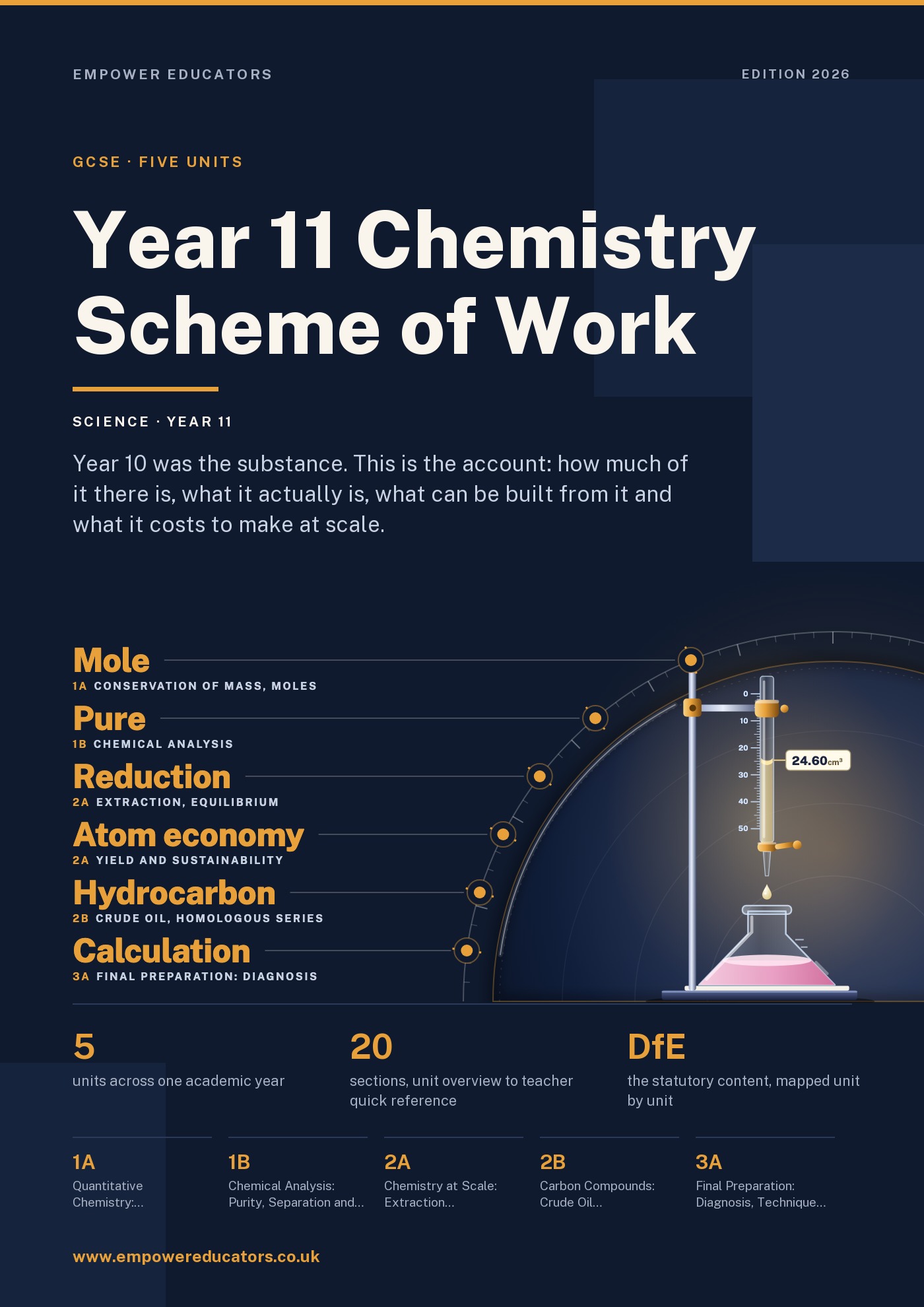
- 1aQuantitative Chemistry: Conservation of Mass, Moles and Concentration
- 1bChemical Analysis: Purity, Separation and Identification
- 2aChemistry at Scale: Extraction, Equilibrium, Yield and Sustainability
- 2bCarbon Compounds: Crude Oil, Homologous Series and Polymers
- 3aFinal Preparation: Diagnosis, Technique and the Whole Course
Ten sections per unit, in the same order every time. Phases rather than single lessons, because science is timetabled at around three hours a week.
Five half-termly units, and the fifth teaches nothing new. Every statement is discharged by the end of Spring 2 so the final half-term can be spent on diagnosis and examination technique rather than on content a student would have no time to consolidate.
Quantitative chemistry opens the year because everything after it is arithmetic done on top of it. Yield is a mass calculation, atom economy is a formula-mass calculation, and even chromatography is a ratio. Organic chemistry is separate-route in its entirety, so the carbon unit is placed last: a combined class finishes it in about a fortnight, and placed last those spare weeks run into the revision unit instead of stranding the class before another half-term of content.
Written to sit beside the Year 10 book. Nine load-bearing joints between the two years are named, every unit opens with a diagnostic made of prior recall rather than new content, and the revision unit uses the same map in reverse, to trace a Year 11 weakness back to where it actually originates.
Board-neutral, with the limits stated rather than buried. The content, the tiering, the mathematical requirements and the apparatus and techniques are national; the named required practicals are set by each awarding organisation. AT8, qualitative analysis, is the one apparatus criterion Year 10 cannot meet, and separate candidates meet it here. Across the two years all eight are covered.
- Written to
- The GCSE subject content for chemistry (DfE, DFE-00352-2014) and for combined science (DFE-00351-2014)
- Intended for
- heads of science, chemistry leads and every teacher taking a class to the examinations
- Extent
- 71 pages · 20 sections
The sequence
What this scheme of work covers, unit by unit
The 5 units of the Year 11 Chemistry Scheme of Work, in teaching order, with the term each one runs in and the question it is built to answer.
1a
Quantitative Chemistry: Conservation of Mass, Moles and Concentration
Autumn 1 · approx. 7 weeks · September – October
You burn 12 g of magnesium ribbon in air. The white ash weighs 20 g. Where did the extra 8 g come from?
1b
Chemical Analysis: Purity, Separation and Identification
Autumn 2 · approx. 7 weeks · November – December
Two white powders look identical. Which is which — and how would you know you were right rather than lucky?
2a
Chemistry at Scale: Extraction, Equilibrium, Yield and Sustainability
Spring 1 · approx. 6 weeks · January – February
why did that make aluminium a precious metal for decades?
2b
Carbon Compounds: Crude Oil, Homologous Series and Polymers
Spring 2 · approx. 6 weeks · February – March
useful one not the one there is most of?
3a
Final Preparation: Diagnosis, Technique and the Whole Course
Summer 1 · approx. 5 weeks · April – May, to the first paper
Which calculations can you do without being told which method to use?
Look inside
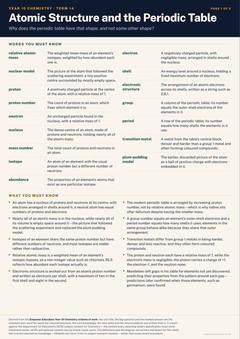
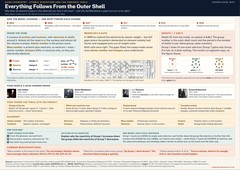
Real pages, straight from the PDF
Click any page to see it full size.
Contents
All 20 sections
Taken from the book’s own contents page, so the page numbers are the real ones.